Introduction
Mucin-2 (MUC2) is a large glycoprotein that plays a crucial role in the protection and functioning of the gastrointestinal (GI) tract. It is the primary component of the intestinal mucus layer, which serves as a protective barrier between the gut lining and harmful pathogens, toxins, and digestive enzymes. Due to its pivotal role in maintaining gut health, measuring MUC2 levels is an essential part of research and diagnostics in various gastrointestinal diseases and disorders.
MUC2 ELISA kits are widely used to measure MUC2 protein levels in various biological samples, including human, mouse, and rat tissues, plasma, and serum. These ELISA kits provide highly sensitive and specific quantification, making them essential tools for understanding intestinal health, inflammation, cancer, and microbiome interactions.
In this article, we will delve into the technical aspects of MUC2, explore its clinical relevance, and provide a comprehensive guide to using MUC2 ELISA kits effectively in research and diagnostics. The goal is to help researchers and clinicians optimize their studies of MUC2 while enhancing the visibility of MUC2 ELISA kits on search engines through detailed technical content and high-traffic keywords.
![AffiELISA® Human Mucin-2 ELISA [ MUC2]](https://affigen.com/cdn/shop/files/5BAFG-E4345_5D_20AffiELISA_C2_AE_20Cattle_20IFNg_20Kit_20High-Resolution_20Interferon_20Gamma_20ELISA_20Detection_80561822-c5da-4ebf-a376-5110b18b7383_535x.png?v=1712850154)
Understanding Mucin-2 (MUC2): Structure, Function, and Importance
MUC2 is one of the most abundant mucins in the gastrointestinal tract. It is synthesized by specialized epithelial cells known as goblet cells and secreted as part of the mucus layer that covers the gut epithelium. The structure of MUC2 consists of long, glycosylated domains that form a gel-like structure, which helps protect the intestinal lining from mechanical stress, toxins, and microbial invasion.
Key Functions of MUC2:
-
Barrier Formation: MUC2 forms a viscous gel that acts as a barrier between the gut epithelium and luminal contents, preventing direct contact with harmful substances. This helps in reducing the impact of toxins and pathogens (PubMed).
-
Immune Modulation: By interacting with the immune system, MUC2 helps regulate immune responses in the gut, preventing chronic inflammation and immune system overactivation (NCBI).
-
Gut Homeostasis: MUC2 is crucial in maintaining gut homeostasis by interacting with the gut microbiota and regulating their composition, thereby promoting a balanced microbial ecosystem (ScienceDirect).
Role in Health and Disease:
MUC2 plays a critical role in maintaining gut health. Alterations in MUC2 production or structure have been implicated in various diseases, including inflammatory bowel disease (IBD), colorectal cancer, and gastrointestinal infections. In IBD, for example, reduced MUC2 expression can lead to a weakened intestinal barrier, increasing susceptibility to pathogen invasion and promoting chronic inflammation (PMC).
MUC2 and Its Role in Gastrointestinal Diseases
MUC2’s role in gastrointestinal diseases is profound. Research has shown that disruptions in the synthesis and secretion of MUC2 are common in several GI disorders, including:
-
Inflammatory Bowel Disease (IBD): Both Crohn’s disease and ulcerative colitis are associated with diminished MUC2 expression, which compromises the intestinal mucosal barrier and leads to chronic inflammation (PubMed).
-
Colorectal Cancer (CRC): Reduced MUC2 expression or altered MUC2 glycosylation is commonly observed in colorectal cancer. It is thought that this change in MUC2 expression may facilitate tumor progression and metastasis (PMC).
-
Gut Microbiota Dysbiosis: Imbalances in the microbiota can influence MUC2 production. MUC2 serves as an important mediator between the gut epithelium and the microbiota, helping maintain a healthy balance (NCBI).
Thus, measuring MUC2 levels can provide crucial insights into the severity and progression of these diseases.
MUC2 ELISA Kits: The Technology Behind the Measurement
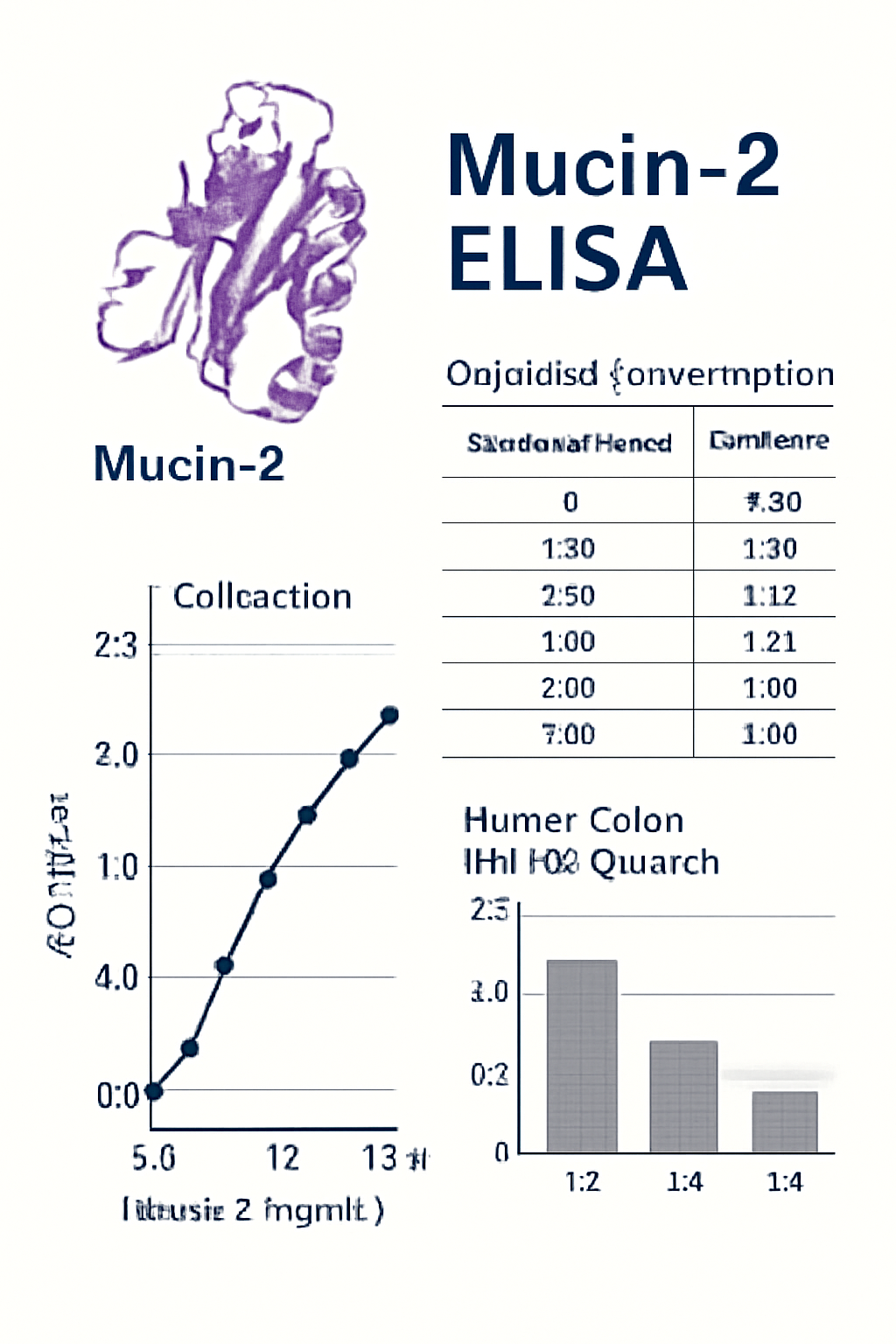
MUC2 ELISA kits are designed to quantitatively measure MUC2 protein levels in various biological samples. These kits typically use a sandwich ELISA format, which is highly sensitive and specific for measuring MUC2 concentrations.
How MUC2 ELISA Kits Work:
-
Capture Antibody: The first step involves coating a microplate with a capture antibody specific for MUC2. This antibody binds the MUC2 present in the sample.
-
Sample Addition: The biological sample (serum, plasma, or tissue extract) is added to the wells, and MUC2 present in the sample binds to the capture antibody.
-
Detection Antibody: After washing, a biotinylated detection antibody specific to another epitope on MUC2 is added. This antibody binds to the captured MUC2.
-
Enzyme Conjugate: A streptavidin-HRP enzyme conjugate is added, which binds to the biotinylated detection antibody. The presence of HRP allows for colorimetric detection.
-
Substrate Addition: A substrate solution is added, and the enzyme reacts with the substrate to produce a color change. The intensity of the color is directly proportional to the MUC2 concentration.
-
Absorbance Measurement: The absorbance is measured at 450 nm using a microplate reader, and the MUC2 concentration is determined by comparing the results to a standard curve prepared with known concentrations of MUC2.
Key Features of MUC2 ELISA Kits:
-
High Sensitivity: These kits can detect low concentrations of MUC2 in samples, allowing for precise measurements even in low-abundance samples.
-
Wide Detection Range: MUC2 ELISA kits offer a broad detection range, making them suitable for both high and low MUC2 concentrations in samples.
-
Species Specificity: MUC2 ELISA kits are available for various species, including humans, mice, and rats, making them adaptable for different research applications (ThermoFisher, BioVendor).
Applications of MUC2 ELISA Kits in Research and Diagnostics
MUC2 ELISA kits are widely used in both clinical diagnostics and biomedical research. Below are some of the primary applications:
Inflammatory Bowel Disease (IBD)
MUC2 is a key marker of mucosal integrity, and monitoring its levels in patients with IBD provides valuable information regarding disease severity and progression. Decreased MUC2 levels indicate compromised mucosal barriers, which may be associated with disease flare-ups and exacerbations (PubMed).
Colorectal Cancer Research
Altered MUC2 expression has been linked to colorectal cancer development. Researchers use MUC2 ELISA kits to study the role of MUC2 in cancer progression and to monitor treatment efficacy in colorectal cancer patients (PMC).
Gut Microbiota Studies
MUC2 plays a crucial role in regulating the gut microbiome. Monitoring MUC2 levels can provide insights into how changes in the microbiota affect gut health. This has implications for understanding diseases like irritable bowel syndrome (IBS) and obesity (ScienceDirect).
Viral and Bacterial Infections
MUC2 levels can be influenced by viral or bacterial infections that affect the gastrointestinal tract. Measuring MUC2 can help assess the impact of these infections on gut barrier function and monitor the effectiveness of therapeutic interventions.
Advantages of MUC2 ELISA Kits
MUC2 ELISA kits offer several key advantages that make them a preferred choice for researchers and clinicians:
-
Non-invasive: ELISA testing requires only small amounts of serum or plasma, making it a non-invasive method for monitoring MUC2 levels.
-
High-throughput: ELISA kits allow for the simultaneous testing of multiple samples, making them ideal for large-scale studies.
-
Quantitative results: ELISA provides accurate, quantitative measurements of MUC2, allowing for detailed analysis and comparison of samples.
-
Reproducibility: The ELISA method is highly reproducible, ensuring that results can be consistently replicated across different laboratories.
Challenges and Considerations for MUC2 ELISA Kits
While MUC2 ELISA kits offer numerous benefits, there are some challenges and considerations to keep in mind:
-
Cross-reactivity: Ensuring that the antibodies used in the ELISA kit do not cross-react with other proteins is essential for accurate results.
-
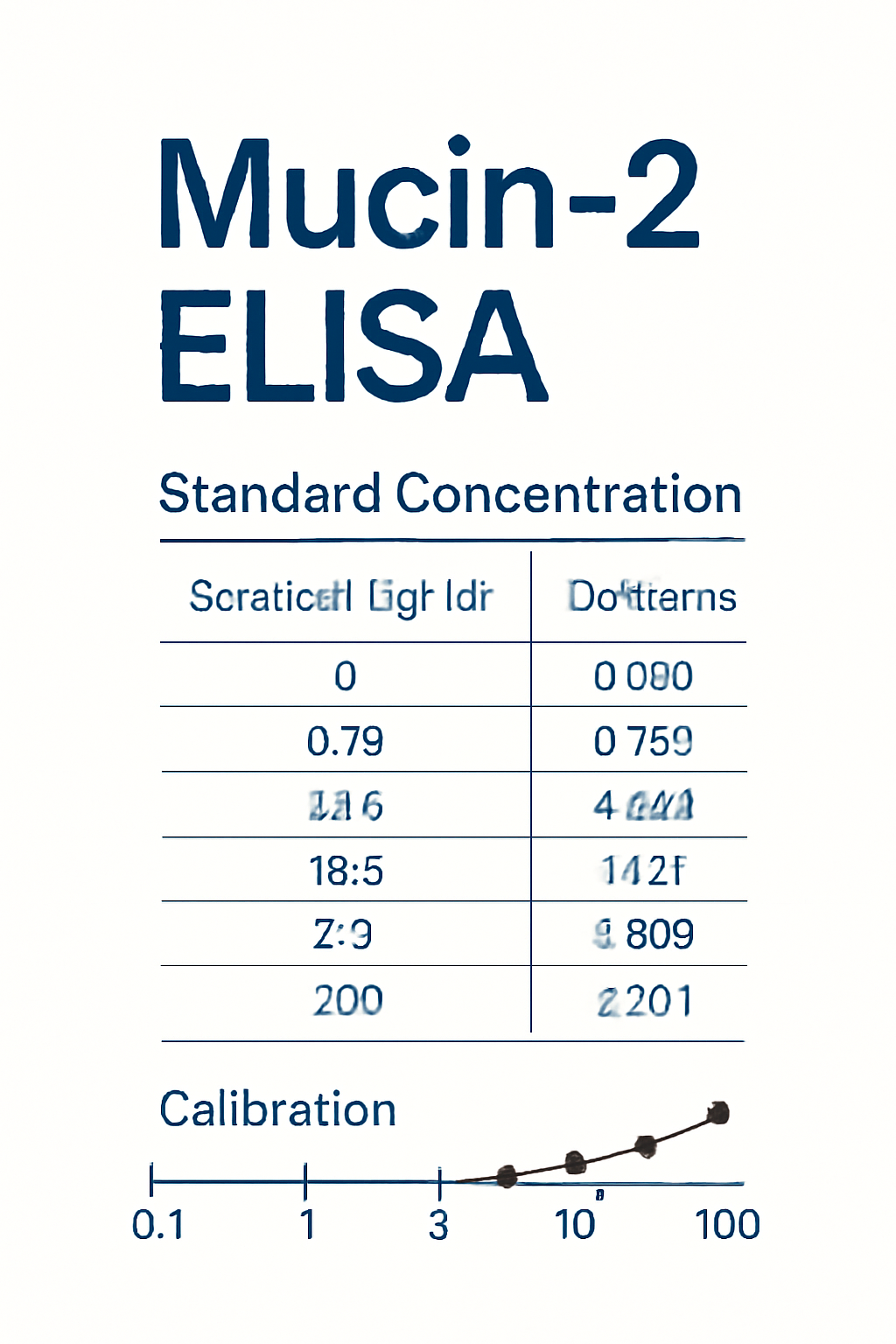
Standardization: To obtain reliable data, it’s important to carefully follow the kit’s protocol and perform proper calibration using the standards provided.
-
Sample Handling: Proper storage and handling of samples are crucial to prevent degradation and maintain the integrity of MUC2.
Future Directions in MUC2 Research
The field of MUC2 research is rapidly evolving, and new technologies are emerging to enhance MUC2 measurement:
-
Point-of-care testing: Future MUC2 assays may be adapted for rapid, on-site testing in clinical settings, making it easier to monitor gastrointestinal health in real time.
-
Multiplexed assays: The development of multiplexed assays will allow for the simultaneous detection of multiple biomarkers, including MUC2, to provide a more comprehensive analysis of gastrointestinal health.
-
Nanotechnology: Advances in nanomaterial-based sensors may enable even more sensitive detection of MUC2, allowing for earlier diagnosis of diseases like cancer and IBD.
Conclusion
MUC2 ELISA kits are invaluable tools for researchers and clinicians studying gastrointestinal health and disease. These kits provide accurate, reliable, and reproducible measurements of MUC2 protein levels, which play a central role in maintaining gut health. By understanding the underlying biology of MUC2 and optimizing ELISA protocols, researchers can gain deeper insights into diseases such as IBD, colorectal cancer, and gut microbiota dysbiosis. As new technologies emerge, the future of MUC2 measurement will continue to evolve, making these assays even more versatile and impactful in both clinical and research applications.
References: