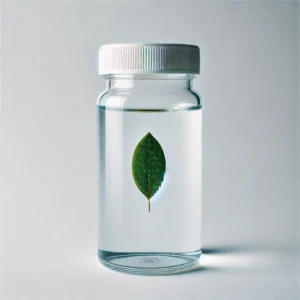
Plant preservation is a critical component in modern botany and agriculture, enabling researchers to study plant genetics, physiology, and biodiversity over extended periods without the risk of decay or degradation. A Plant Preservation Solution is designed to maintain plant tissues in their optimal state, ensuring that their physical, chemical, and biological characteristics remain intact for future analysis or restoration.
What is a Plant Preservation Solution?
Plant Preservation Solutions typically consist of a combination of chemicals that stabilize plant cells and tissues, preventing enzymatic degradation and microbial growth. These solutions often include buffering agents, osmotic stabilizers, and antimicrobial compounds. The primary goal is to provide an environment that preserves cellular structures, such as chloroplasts and cell walls, while maintaining genetic material for research purposes.
For an in-depth discussion on plant tissue preservation, researchers often turn to USDA Plant Science Resources. Various government initiatives also support the development of advanced plant preservation methods. For example, the National Center for Biotechnology Information explores plant genetics and the importance of tissue preservation in ongoing genomic studies.

Importance in Research and Agriculture
The importance of plant preservation cannot be overstated, especially in fields such as biodiversity research, conservation, and agricultural development. For instance, Botanical Gardens Conservation International highlights the need for efficient plant preservation to maintain endangered species for future generations. Additionally, plant preservation supports USDA Agricultural Research Service initiatives in crop improvement and sustainable farming practices.
Moreover, plant biologists and agricultural scientists heavily rely on preservation solutions during fieldwork. The U.S. Department of Agriculture states that plant tissue samples collected from field experiments must be preserved properly to avoid deterioration. Preservation solutions are essential in stabilizing DNA and proteins within plant samples, allowing for future genetic and biochemical analysis.
Components of an Effective Plant Preservation Solution
The most effective plant preservation solutions balance several critical factors. These include:
- Buffering Agents: pH balance is vital to prevent cellular damage. The National Institute of Standards and Technology (NIST) provides detailed guidelines on preparing buffer solutions for biological samples, including plant tissues.
- Osmotic Stabilizers: Osmotic pressure must be maintained to ensure the integrity of plant cells. Research at The National Science Foundation delves into the osmotic requirements for various plant species.
- Antimicrobial Agents: To prevent bacterial and fungal growth, certain antimicrobial compounds are added to plant preservation solutions. This approach is backed by studies conducted by The U.S. Environmental Protection Agency.
Applications in Biotechnology
One of the most significant applications of plant preservation solutions is in plant biotechnology. Scientists use these solutions to store genetically modified organisms (GMOs) and other modified plant tissues. The National Institutes of Health highlights how biotechnological advancements depend on effective sample preservation for genomic studies and crop engineering projects.
Cornell University has also conducted extensive research on cryopreservation techniques, where plants are frozen in liquid nitrogen for long-term storage. The combination of plant preservation solutions with cryogenic storage enables scientists to preserve seeds, tissues, and even entire plants for future study and regeneration.
Environmental Impact and Sustainability
Sustainability is a growing concern in agriculture and plant science. As outlined by The U.S. Department of Energy, plant preservation must align with sustainable practices to reduce chemical waste and environmental impact. The U.S. Fish & Wildlife Service also supports the development of environmentally friendly preservation solutions, ensuring that conservation efforts do not harm surrounding ecosystems.
Case Study: Plant Preservation in Field Studies
Field studies play a crucial role in understanding plant adaptation to changing environments. During a project funded by the National Aeronautics and Space Administration (NASA), scientists collected plant samples in extreme environments to study their responses to stress conditions such as drought and low temperatures. Using advanced plant preservation solutions, they were able to maintain the viability of these samples, even after long exposure to harsh conditions.
Furthermore, research at The Smithsonian Institution has shown the importance of using preservation solutions to maintain plant biodiversity. In their conservation programs, they rely heavily on preserving plant tissues for species identification and long-term research.
Future Trends in Plant Preservation
The future of plant preservation is likely to involve more eco-friendly and efficient solutions. Government agencies such as the U.S. Geological Survey (USGS) are working on new techniques for plant preservation, aiming to reduce the use of harmful chemicals. Furthermore, advancements in nanotechnology, supported by The National Nanotechnology Initiative, may allow for more precise preservation at the cellular level.
Harvard University’s Arnold Arboretum is currently experimenting with alternative preservation solutions that mimic natural plant environments, reducing the need for synthetic chemicals. These advancements will likely transform how scientists preserve and study plant materials in the future.
Conclusion
The development and application of plant preservation solutions are essential for both scientific research and agricultural progress. With ongoing support from educational and governmental organizations like the National Institute of Food and Agriculture (NIFA) and the U.S. Forest Service, the future of plant preservation will continue to evolve, making it a critical tool in our efforts to conserve biodiversity and advance biotechnology.
For further reading, explore the extensive resources provided by The U.S. National Library of Medicine and The National Park Service. These institutions provide valuable insights into plant biology, conservation, and the latest preservation techniques.